Identification
Mold on Window Sills: Why It Happens and How to Stop It for Good
Discover why mold on window sills is common and learn a step-by-step guide to safely clean it and prevent it from returning. Protect your home's health.
Fast facts
- Condensation from temperature differences is the primary cause of mold on window sills.
- Safe cleaning involves gentle detergents, proper safety gear, and thoroughly drying the area.
- Prevention is the most effective strategy: control humidity, improve ventilation, and keep sills clean.
- For large or recurring mold problems, or if you have health concerns, it's best to consult a professional.
- Use a tool like Mold Detector AI to quickly identify suspicious spots before you begin cleaning.
Photo examples

Finding Mold on Window Sills? You’re Not Alone.
You pull back the curtains to let in some morning light and there it is: a smattering of small, black spots clustered in the corners of your window sill. Your first thought might be a mix of frustration and concern. Is it dangerous? Is it hard to get rid of? And why does it keep coming back?
First, take a deep breath. Finding mold on window sills is an incredibly common issue for homeowners. It’s not a sign that your home is unclean; it’s simply a sign that the conditions are just right for mold to grow. The good news is that it’s usually manageable and, more importantly, preventable.
In this guide, we’ll walk you through why your window sills are such a prime location for mold, how to tell if that dark stuff really is mold, and a step-by-step process for cleaning it safely and keeping it from returning.
Why Window Sills are a Magnet for Mold
Mold needs three things to thrive: moisture, a food source, and a suitable temperature. A window sill, unfortunately, often provides a perfect combination of all three.
The Main Culprit: Condensation
The number one reason for mold on window sills is condensation. This happens when warm, moist air inside your home comes into contact with the cooler surface of the window pane—especially during colder months. Think of it like the 'sweat' on a cold glass of water on a hot day.
This moisture then drips down and pools on the window sill. And just like that, you’ve provided the perfect water source for any dormant mold spores in the area. Activities that increase indoor humidity, such as cooking, running a dishwasher, showering, and even breathing, all contribute to this process.
A Buffet for Mold Spores
Mold isn't picky. Its food source can be almost any organic material. On a window sill, this includes:
- Dust and dirt
- Dead skin cells
- Pollen that has blown in from outside
- Insects
- The paint on the sill itself
- The wood or drywall material of the sill if it gets wet enough
When you combine this readily available food with the moisture from condensation, you have a five-star resort for mold growth.
Is It Mold? How to Identify It
Not every black speck on your window sill is mold. It could be simple dirt or dust buildup. However, there are a few visual cues to look for.
Visual Cues of Window Sill Mold
Mold typically appears as spots or clusters that can be black, dark green, or even white. Unlike dirt, which can often be wiped away easily, mold may have a slightly fuzzy or slimy texture. It tends to grow in the corners of the sill or along the caulking where moisture collects most.
You might also notice a faint, musty, or earthy smell when you are close to the window. This is a classic sign of active mold growth.
If you're looking at some questionable spots and aren't sure if it's just dirt or something more, a quick analysis can provide clarity. This is where a service like Mold Detector AI can be incredibly helpful. Just snap a photo, and our AI can help you identify if it looks like mold, giving you the confidence to proceed with the right cleaning plan.
A Step-by-Step Guide to Cleaning Mold on Window Sills
If you've confirmed you're dealing with a small area of surface mold (generally less than 10 square feet), you can often handle the cleanup yourself. The key is to do it safely.
H3: Safety First!
Before you start scrubbing, protect yourself and your home from airborne spores.
- Wear protective gear: This includes non-porous gloves, safety goggles, and an N-95 respirator mask.
- Ensure ventilation: Open other windows in the room to create a cross-breeze, but keep the door to the rest of the house closed to contain spores.
- Don't disturb dry mold: Never scrub or brush mold when it's dry, as this will send spores flying into the air.
H3: The Cleaning Process
- Prepare your solution: For non-porous surfaces like vinyl or painted wood, a simple solution is often enough. Mix a few drops of household detergent with water in a spray bottle. Alternatively, a solution of one part white vinegar to one part water is a great natural disinfectant. We recommend avoiding bleach, as it can damage surfaces and the fumes can be harsh.
- Spray the area: Lightly mist the moldy area with your cleaning solution. Let it sit for 5-10 minutes to kill the surface mold and prevent spores from becoming airborne.
- Scrub gently: Use a soft-bristled brush or a scouring sponge to scrub the mold off the surface. Work from the outside of the moldy patch inward to avoid spreading it.
- Wipe clean: Use a clean, damp cloth to wipe away the mold and cleaning solution residue. Rinse your cloth frequently in clean water.
- Dry thoroughly: This is the most critical step. Use a clean, dry cloth or paper towels to dry the window sill completely. You can even use a hairdryer on a low setting to ensure no moisture is left behind.
The Crucial Next Step: Preventing Mold's Return
Cleaning mold is only half the battle. If you don't address the underlying moisture problem, it will inevitably return. Prevention is all about moisture control.
H3: Control Condensation and Humidity
- Wipe down windows daily: Make it a habit to wipe away condensation from your windows and sills every morning with a dry cloth or squeegee.
- Improve air circulation: Use exhaust fans in your kitchen and bathroom for at least 30 minutes after cooking or showering. A ceiling fan on low can also help circulate air.
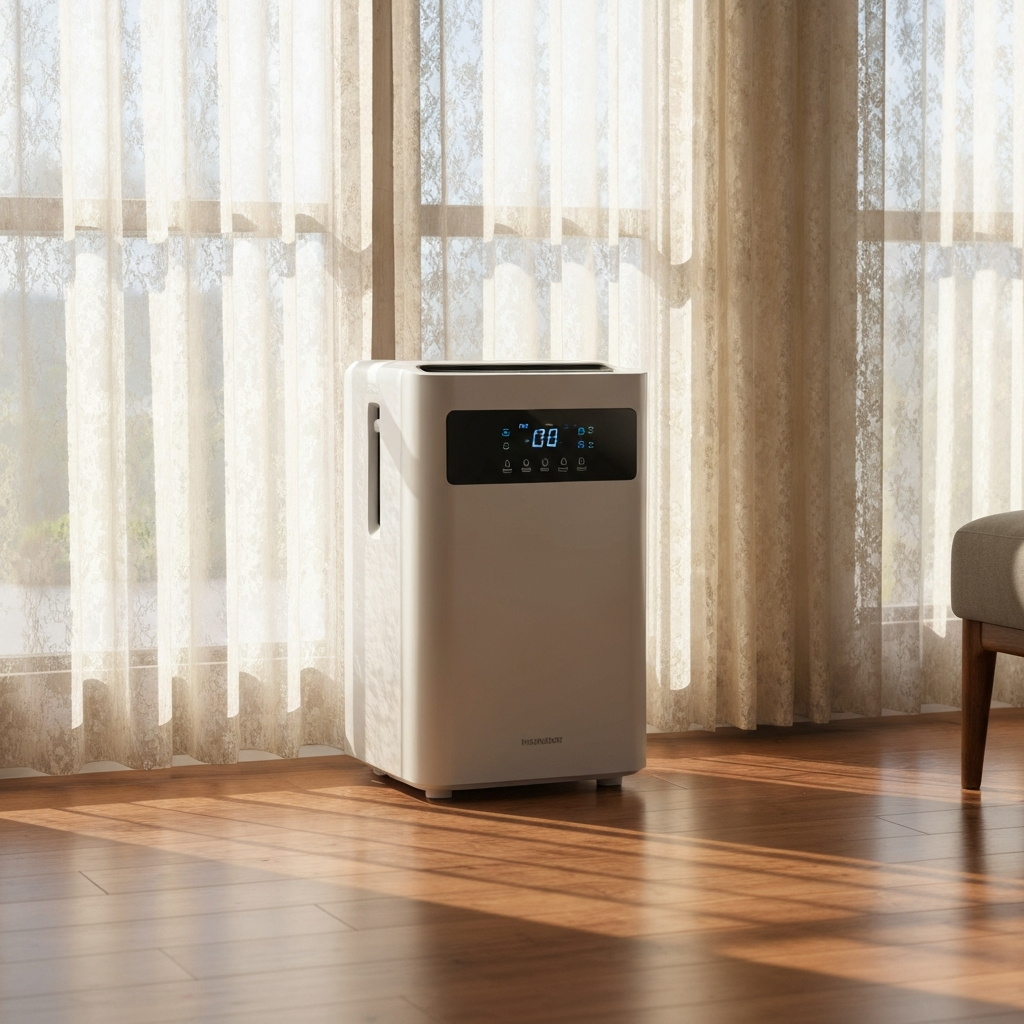
- Invest in a dehumidifier: If your home or a specific room has high humidity (above 50%), a dehumidifier is your best defense.
- Open curtains and blinds: During the day, keep window coverings open to allow air to flow over the glass, which can help keep it warmer and reduce condensation.
Is condensation causing issues? Check that black substance with our AI detector before you start scrubbing.
H3: Maintain Your Windows
Regularly check the caulking and seals around your windows. If you find cracks or gaps, re-caulk them to prevent water leaks and drafts. Keeping your sills clean and free of dust also removes the 'food' that mold needs to grow.
When to Call a Professional
While DIY cleaning is effective for small spots, some situations require a professional mold remediation expert.
Call a pro if:
- The mold covers a large area (more than 10 square feet).
- The mold returns quickly and persistently despite your cleaning and prevention efforts.
- You suspect the mold has penetrated the wall behind the sill (signs include soft drywall, peeling paint far from the window, or a pervasive musty smell).
- Someone in your home has severe allergies, asthma, or is immunocompromised, as disturbing mold can pose a health risk.
Finding mold on your window sills can be unsettling, but it’s a problem with a clear solution. By understanding its cause, cleaning it safely, and taking proactive steps to control moisture, you can protect your home and your peace of mind. A little bit of daily prevention goes a long way in keeping those sills clean, clear, and mold-free.
Ready to put this into action?
Is condensation causing issues? Check that black substance with our AI detector before you start scrubbing.
Launch Mold Detector AIFurther reading
Recommended next reads
- Black Specks in Your AC Vents: Is It Dust or Dangerous Mold?
- Mildew and Mold: What's the Difference and What Should You Do?
- Is It Dangerous Black Mold? Stachybotrys vs. Other Common Molds
- Is It Mold or Dirt? A Homeowner's Guide to Telling the Difference
- What Does Black Mold Look Like? A Homeowner's Guide with Pictures